
The Justice Department finally released a long awaited batch of Jeffrey Epstein files this week, and the public reaction has been equal parts anticipation, confusion, outrage, and squinting. Lots of squinting. Because while thousands of pages and photos are now technically public, huge portions of them are covered in so much black ink they resemble modern art more than government transparency.
As Rep. Jim Clyburn of South Carolina bluntly put it, “Don’t expect them to ever release these documents because I don’t think the Supreme Court will ever make them do it.” Which is a refreshingly honest thing to say out loud.
To be clear, this is not the full release. The Justice Department says more documents are coming in the weeks ahead. That promise has been made before. People are appropriately skeptical.
So what did we actually get?
Reporters spent hours combing through the latest dump, and the answer is: some genuinely disturbing material, some important validation for victims, some deeply awkward photos of powerful people, and a staggering amount of redaction that raises more questions than it answers.
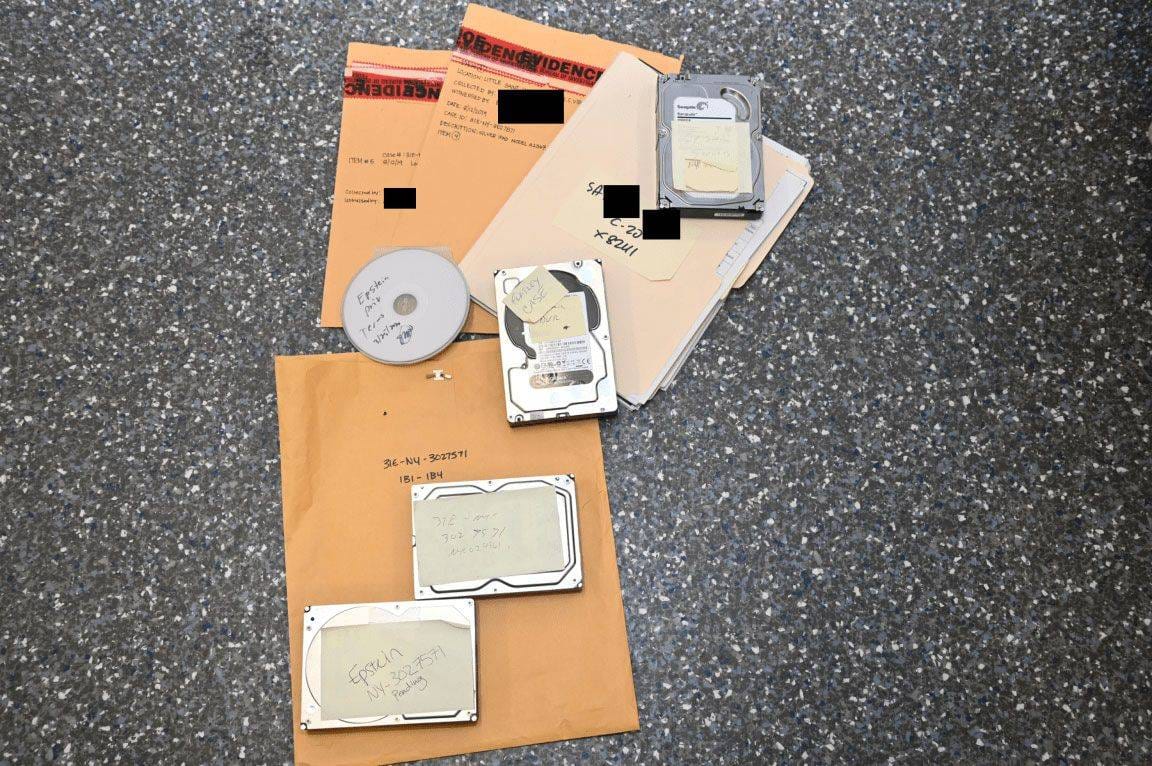
Let’s start with the visuals. The Justice Department released more than 100 photos showing FBI evidence gathered during raids on Epstein’s homes in Florida, New York, and his private island. There are boxes, envelopes, hard drives, CDs, computers, and yes, a photo that appears to show a dog stuffed inside a box. Epstein reportedly kept a taxidermied poodle, which is not illegal but is certainly a vibe.
What these photos mostly confirm is that law enforcement collected a massive amount of material. What they do not clarify is what was on those hard drives, who was involved, or why so much of it remains functionally unreadable to the public.
Then there are the photos that set the internet on fire.
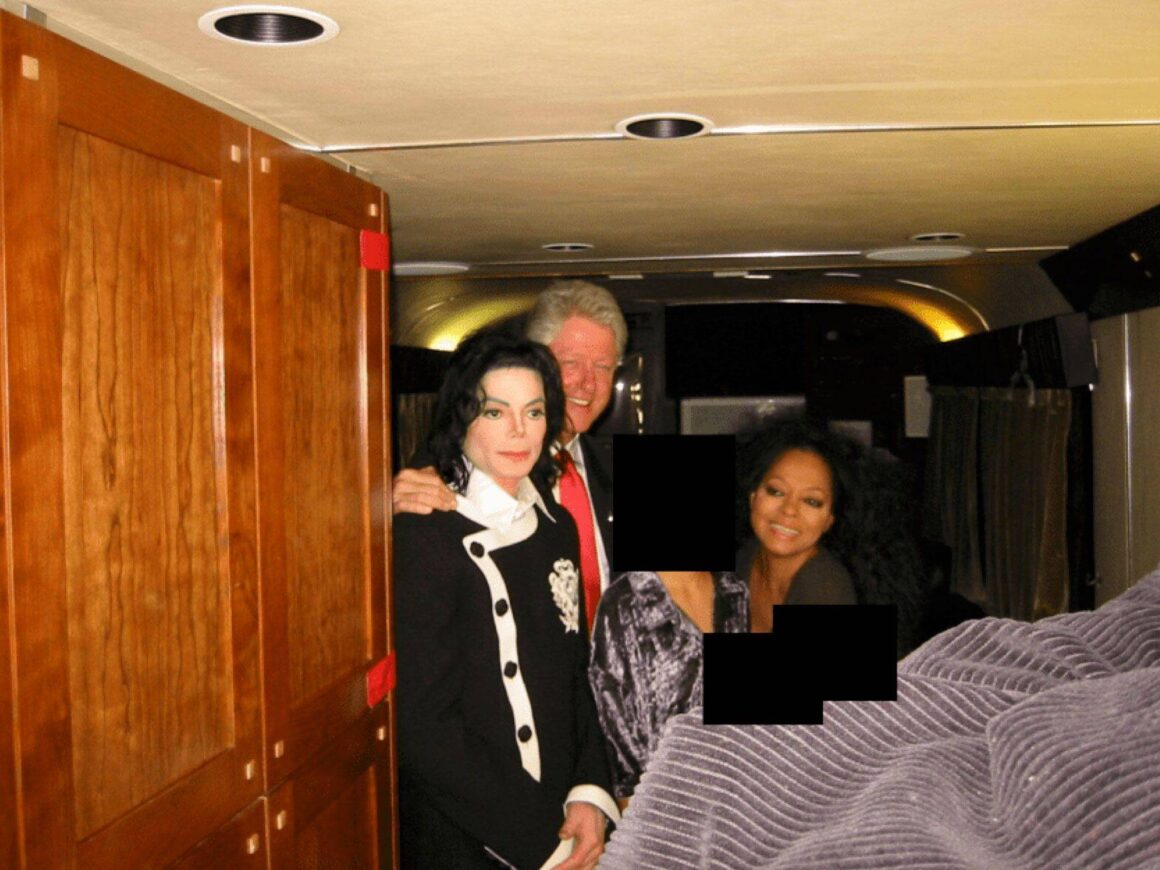
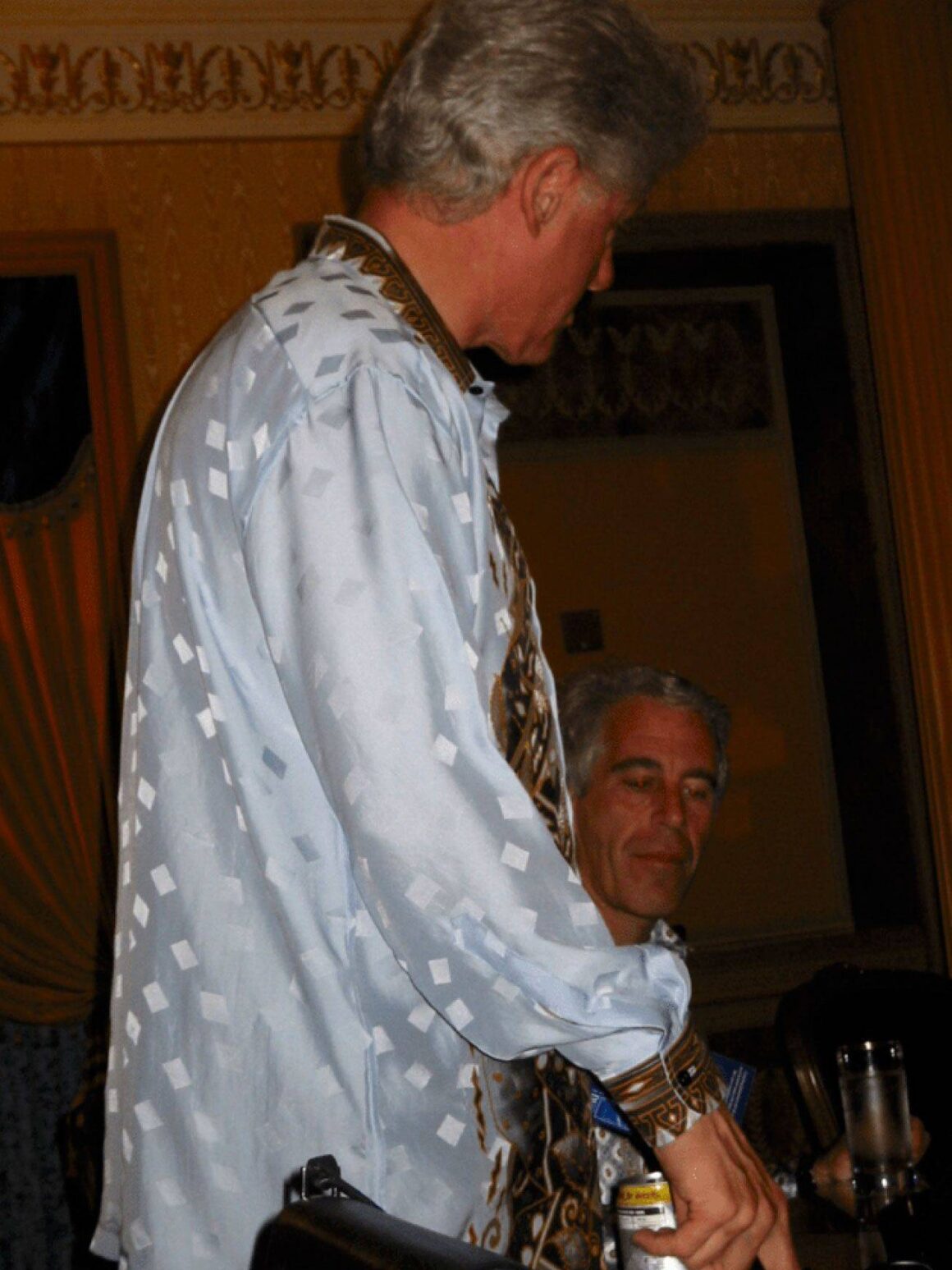
Several previously unreleased images show former President Bill Clinton with Epstein and Ghislaine Maxwell. One widely circulated photo shows Clinton shirtless in a hot tub next to a person whose face is completely blacked out. A Justice Department spokesperson later said the redaction was to protect a victim of Epstein’s abuse.
That distinction matters. The Epstein Files Transparency Act requires victim identities to be protected. However, not every redaction appears to follow a consistent logic. In some photos, faces are blacked out in one image and visible in another. In others, older men are redacted for reasons that are not explained. The Justice Department itself admitted the process was rushed and vulnerable to human and machine error, which is not exactly reassuring when dealing with material this sensitive.
Clinton has never been charged or accused by law enforcement of wrongdoing related to Epstein, and his spokesperson has repeatedly said he cut ties with Epstein before his crimes became public. Clinton world is also not thrilled about how these files were released, suggesting the timing and presentation serve political purposes more than transparency.
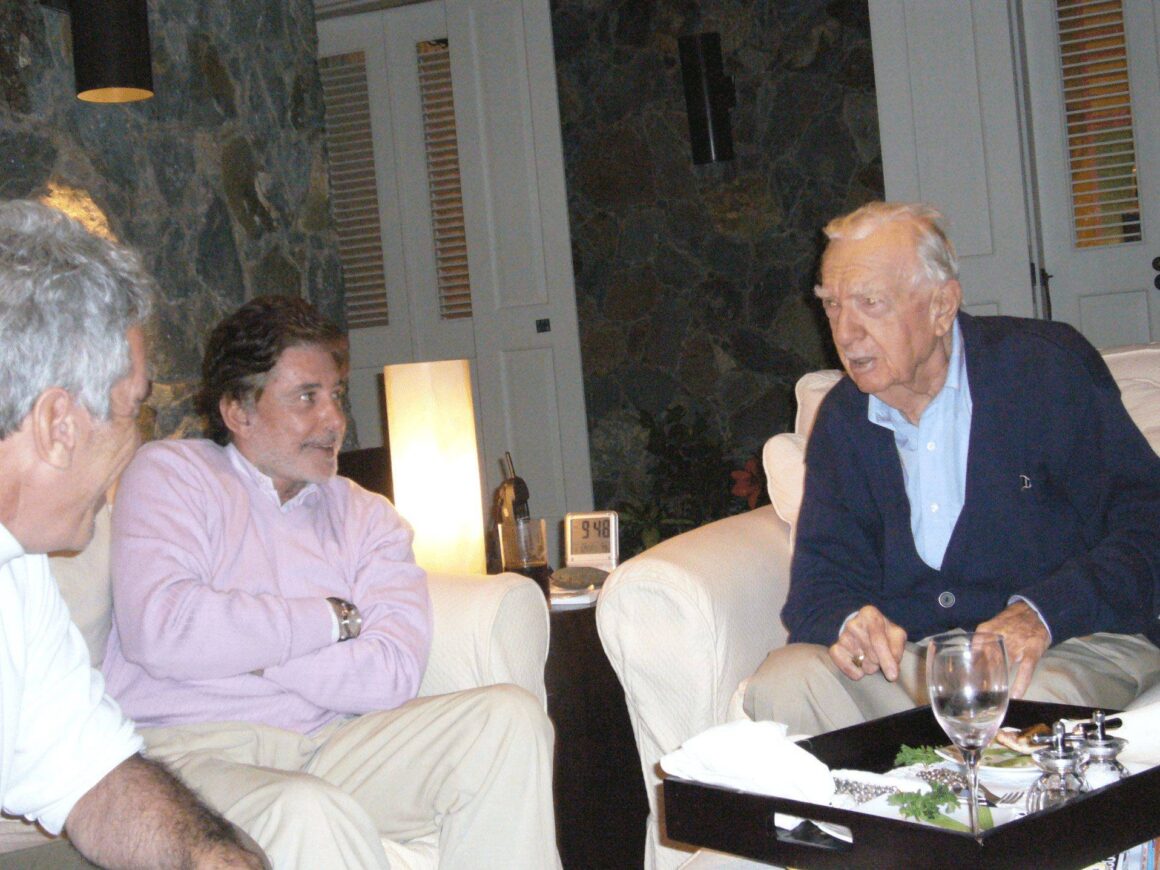
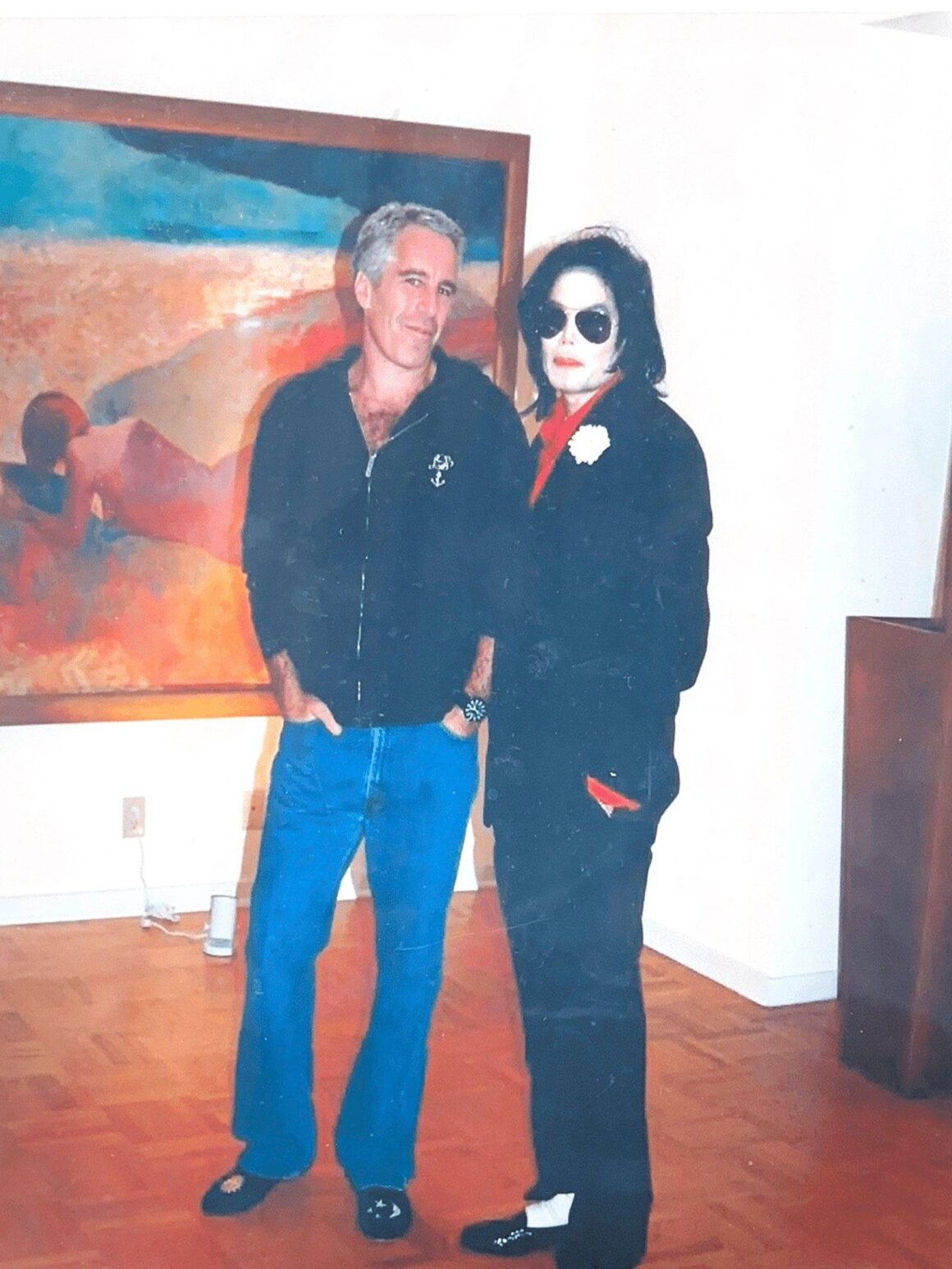
Beyond Clinton, the files include photos of Epstein with other famous figures, including Michael Jackson and legendary news anchor Walter Cronkite. In Cronkite’s case, the photos appear to align with flight logs showing he traveled with Epstein to the Virgin Islands years after his retirement. Again, inclusion in these materials does not equal criminal behavior, but it does underscore how wide Epstein’s social and professional orbit was.
Where the release becomes genuinely significant is with survivor Maria Farmer.
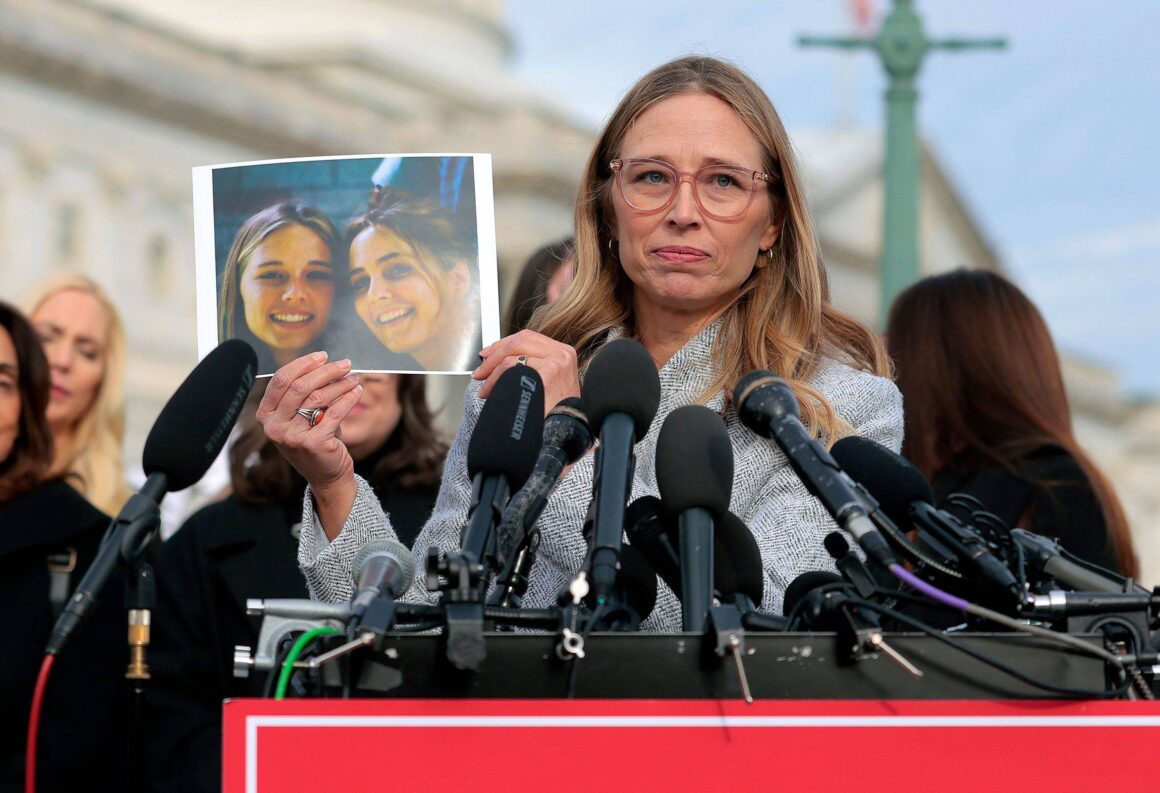
A newly released FBI document from 1996 appears to confirm that Farmer filed one of the earliest complaints against Epstein, alleging child pornography, theft of photographs, and threats. The document shows Epstein was on law enforcement’s radar years before his later arrests, which raises a deeply uncomfortable question: why wasn’t he stopped?
For Farmer and her sister Annie, seeing this complaint in black and white is both validating and devastating. It confirms what they have said for decades, and it highlights how many people were harmed after authorities failed to act.
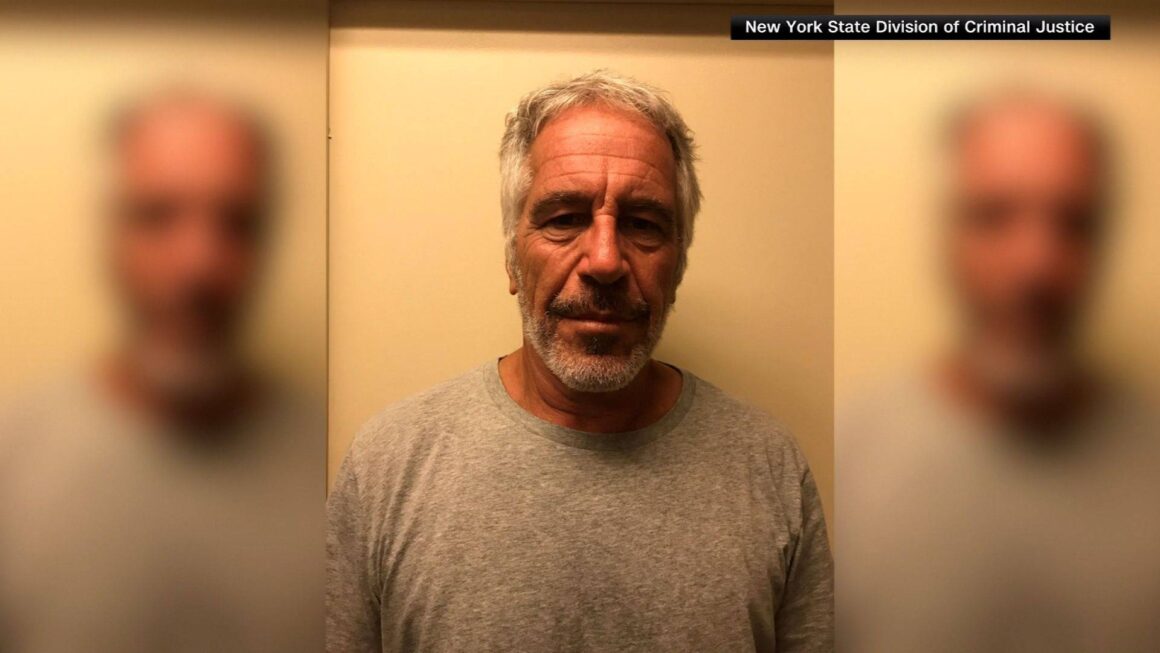
There is also a newly released witness interview from 2019 that is among the most disturbing documents in the batch. According to handwritten investigator notes, a witness told authorities Epstein actively sought underage girls, insisted on verifying they were under 18, and expressed racist preferences about who he wanted brought to him. The notes describe sexual abuse, coercion, and emotional distress. It is graphic. It is horrifying. And it reinforces just how predatory Epstein was.
And yet, even here, names are redacted. Context is missing. Outcomes are unclear.

Which brings us back to the black ink.
Hundreds of pages labeled as grand jury material are entirely redacted. Entirely. As in, page after page of nothing but black boxes. The Justice Department received court approval to release this material, and then released it in a form that tells the public almost nothing.
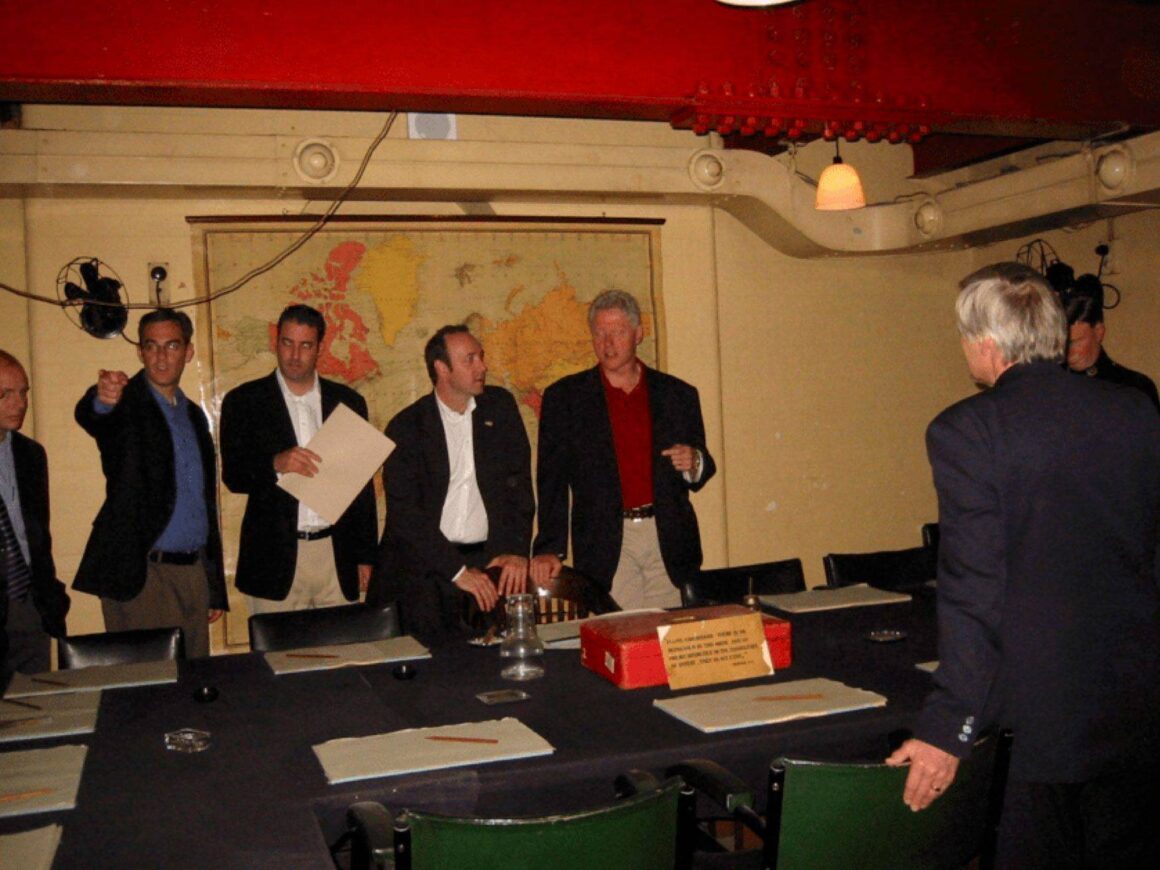
So what’s the takeaway?
This release confirms that Epstein was deeply embedded among the powerful. It validates survivors who were ignored for years. It exposes how much evidence existed long before meaningful action was taken. And it shows that “transparency,” at least in Washington, often means letting you see the outline of the truth while obscuring the details.
There is more coming, supposedly. Whether it will meaningfully fill in the gaps, or just add more Sharpie to the pile, remains to be seen.
For now, the Epstein files answer one big question very clearly: the cover up was not subtle. It was bureaucratic. And it is still ongoing.


