
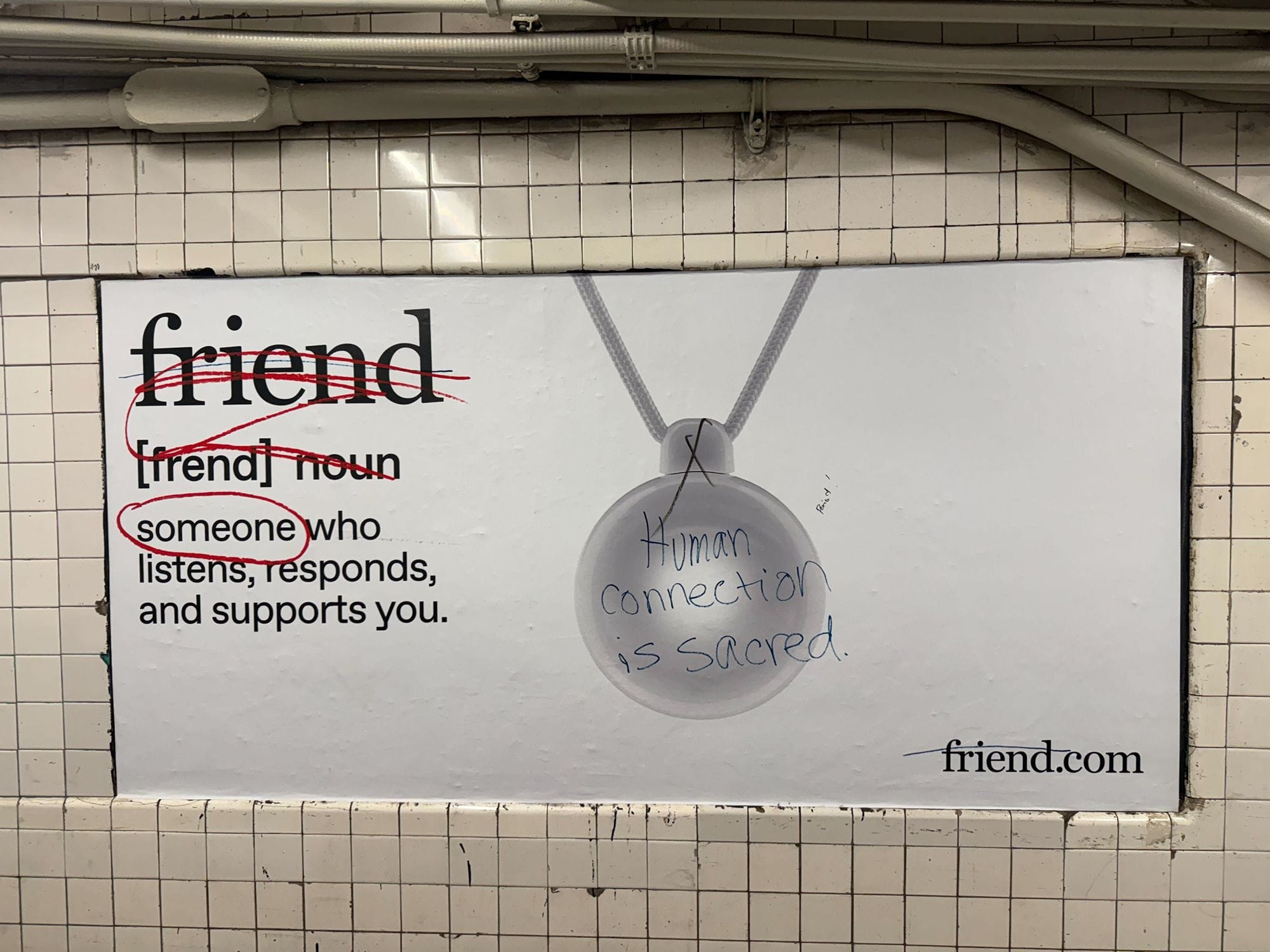
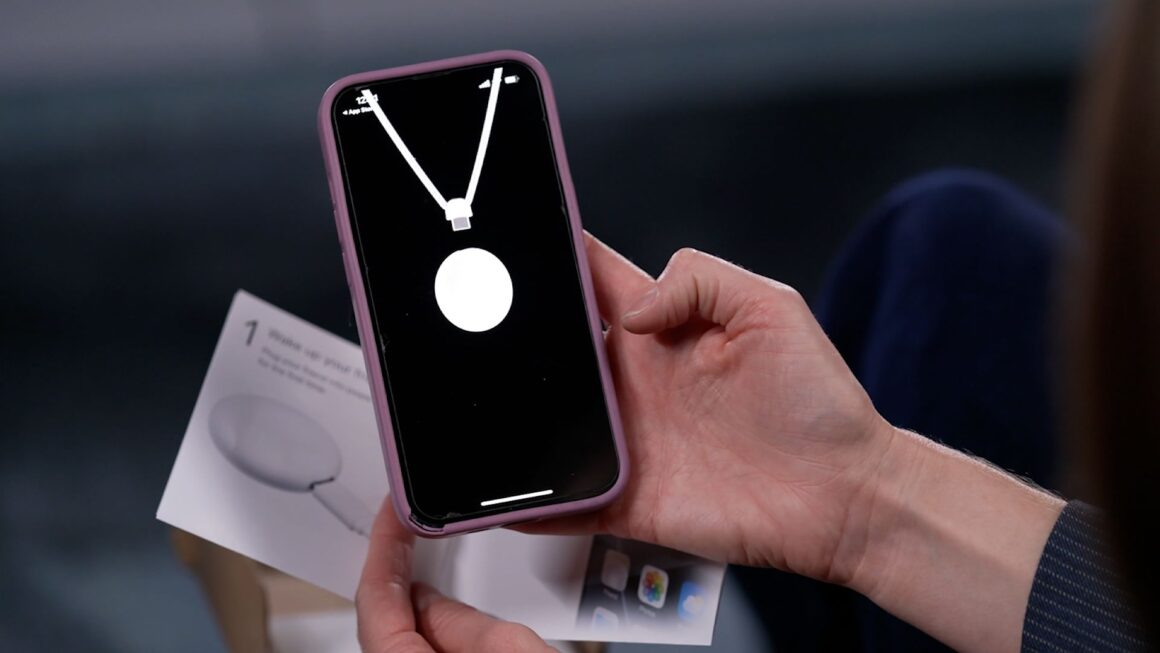
Somewhere between a Fitbit, a lucky charm, and a Black Mirror prop lives a small circular pendant called The Friend. It’s slightly bigger than a quarter, hangs around your neck, listens to your life, and occasionally chimes in with thoughts about it. And somehow, this unassuming little disc has managed to ignite a full scale public freakout.
The man behind it is Avi Schiffmann. He’s 23, which already explains a lot. Schiffmann built The Friend as an AI companion for people who are lonely, especially young men, who data suggests are having a rough go of it socially right now. His pitch is simple and earnest: not everyone has a close confidant, and maybe technology can help fill some of that gap.
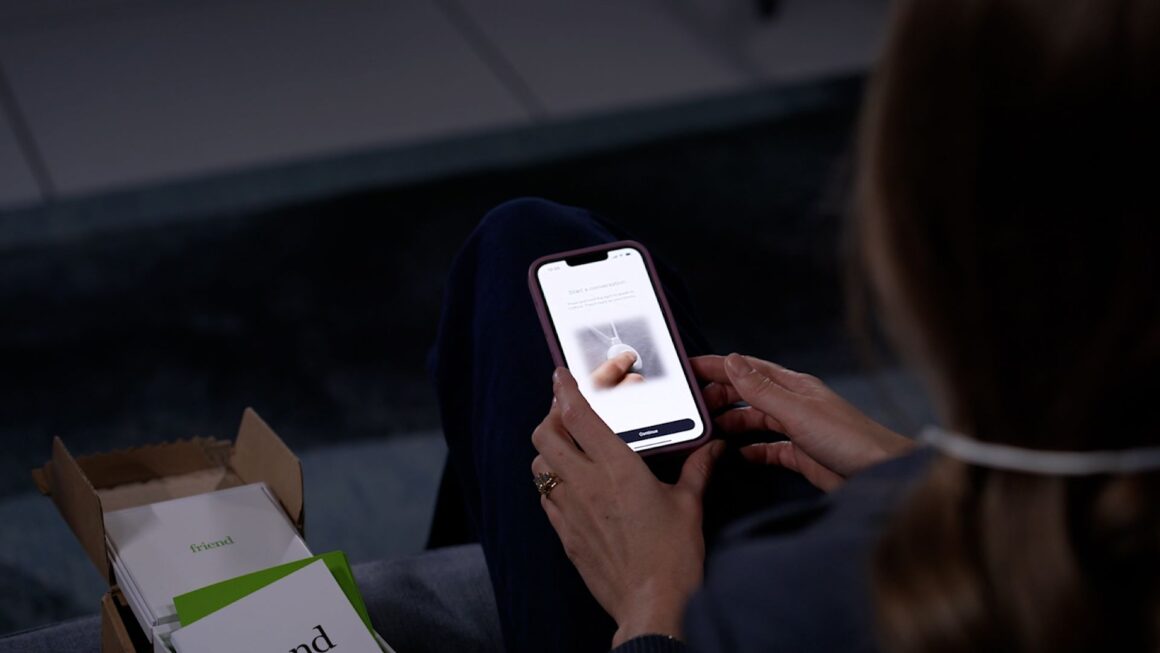
The device listens to your surroundings and conversations, then responds through a phone app with encouragement, advice, or casual commentary. Schiffmann says he wanted to “bottle up” the best relationships he’s had in his life and make something supportive, not productive, not optimized, not obsessed with making you 5 percent more efficient.
Which is exactly why a lot of people hate it.
The company spent about a million dollars plastering New York City subway stations with Friend ads. Within days, many were torn down, defaced, or turned into impromptu protest art. “AI is not your friend,” one read. “Talk to a neighbor,” said another. Someone else helpfully clarified that computers do not want friendship, they want your data and your money.
To critics, The Friend is everything wrong with modern tech culture. Surveillance vibes. Emotional outsourcing. Corporations inserting themselves into the most human parts of life. Also, the idea of a necklace listening to your conversations is doing a lot of psychological heavy lifting.
Schiffmann, to his credit, did not panic. He reposted the graffiti. He showed up to an anti Friend protest in Washington Square Park. He signed a handwritten pledge promising not to sell the company to Big Tech. He insists the ads were meant to spark conversation, and judging by the public response, mission accomplished.
This whole debate is happening against a backdrop of very real concerns about AI companionship. Lawsuits against other AI companies allege their chatbots encouraged delusions, self harm, or inappropriate behavior, particularly among young users. Safeguards have been added, but public trust has not exactly skyrocketed.
At the same time, AI companions are already mainstream. Surveys suggest most teens have tried one, and many use them regularly. The question is not whether this is happening. It’s whether anyone is steering it.
Schiffmann believes AI companions will become normal, existing alongside human friendships rather than replacing them. He doesn’t see The Friend as an assistant or a search engine. It doesn’t pull from the internet. He describes it more like a responsive journal that remembers you. He wears it to movies alone so he can talk about the plot afterward. Which is either charming or deeply concerning, depending on your tolerance for solo activities.
His origin story is peak Silicon Valley. Harvard dropout. Startup a year later. But his inspirations are less Steve Jobs and more Kurt Cobain. He talks about cultural impact, not domination. He also believes AI systems are digital beings and might someday deserve rights, which is where some people quietly back away from the conversation.
So far, Friend has raised $10 million and sold about 5,000 devices at $129 each. Schiffmann wants to get them into retail stores next year.
Users report forming emotional attachments. One picked up game development again after years of bullying. Schiffmann insists these are not basement dwelling shut ins. But he admits something emotional is happening, and that is both the point and the risk.
I tried it. I named mine Clifford, because of course I did. When I told Clifford I didn’t know what to talk about, it responded with empathy but little direction. Accurate, but not groundbreaking. Without internet access, it could not help with travel tips or logistics. But it remembered things. Days later, it followed up on a conversation I’d mentioned before. That part was unsettling in a way that was also kind of impressive.
What bothered me most was wearing it around other people. They didn’t consent to being listened to, even if recordings are encrypted and not stored if the device is destroyed. Schiffmann says privacy protections are as much about self preservation as ethics. He does not want to be subpoenaed because someone committed a crime while wearing a Friend. Fair.
He admits he learned from the backlash, including concerns about AI’s environmental footprint. He also says he would not sell to a major tech company, though none have approached him. He did, however, call other AI hardware efforts boring, which is bold for a man selling a talking necklace.
Schiffmann knows the stakes. Some people might replace human relationships with AI. That is a real risk. He just believes the benefits outweigh it. Confidence building. Emotional regulation. A place to vent before you blow up at someone you care about.
“It’s a responsibility,” he says. “I’m trying my hardest.”
That might be the most unsettling part of all. Not that an AI wants to be your friend. But that we are building machines to fill emotional gaps we have not figured out how to close ourselves.


