
Netflix just did the most Netflix thing imaginable. It bought Hollywood.
On Friday, Netflix announced it will acquire Warner Bros. Discovery’s film studio and HBO assets, including the streaming service, for a cool $82.7 billion, debt included. That’s not just a purchase. That’s a personality shift.
After outbidding Paramount and Comcast in a full blown media company cage match, Netflix walked away with one of the most iconic studios in entertainment history. This comes after Warner Bros. Discovery announced it would split into two companies in mid 2026, which apparently was code for “come get us.”
If regulators don’t step in, the deal is expected to close in about a year to a year and a half. Which gives everyone plenty of time to ask the same question: what exactly did Netflix just buy?
The short answer is everything. The long answer is a century of Hollywood chaos, ambition, reinvention, and extremely expensive mistakes.
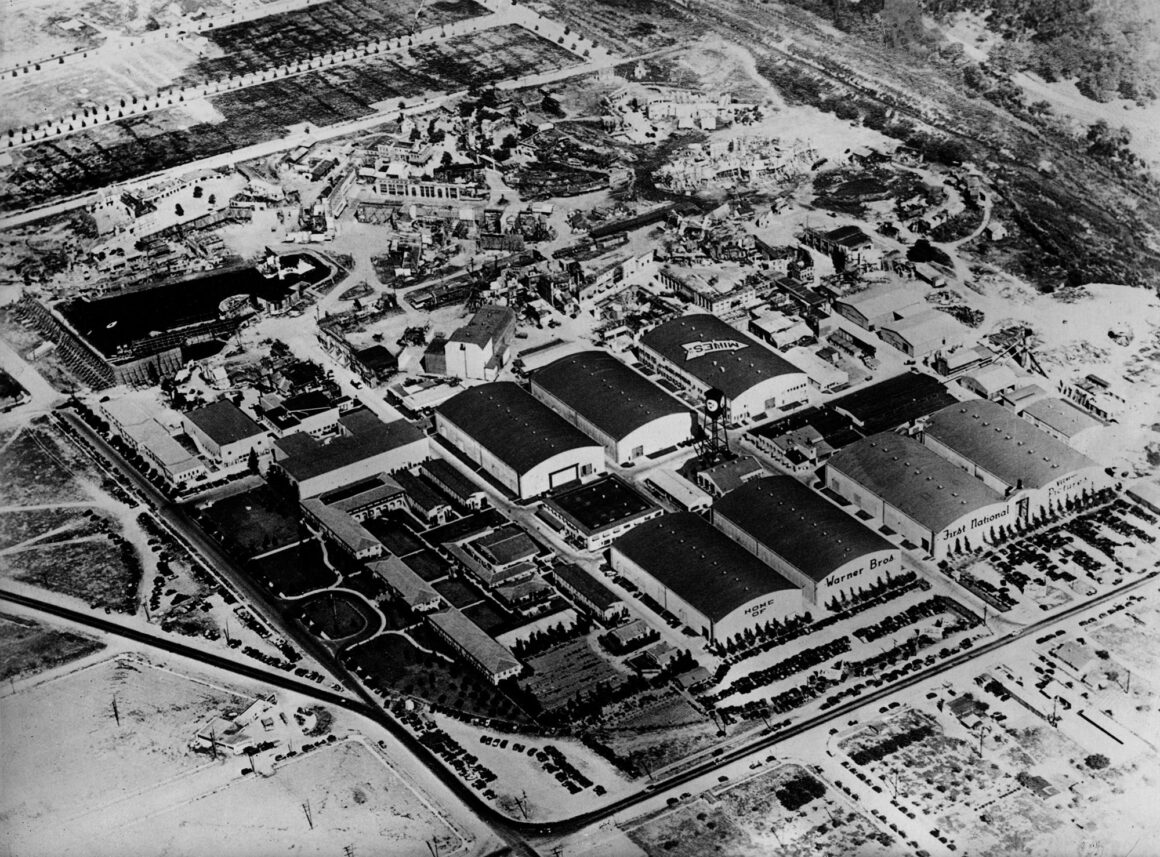
Warner Bros. was founded in 1923 by four brothers who saw the future and decided it talked. Literally. While other studios were still flirting with silence, Warner went all in on sound, releasing “The Jazz Singer” in 1927 and basically forcing Hollywood to evolve or perish. This was the studio equivalent of flipping the table and saying, “We’re doing dialogue now.”
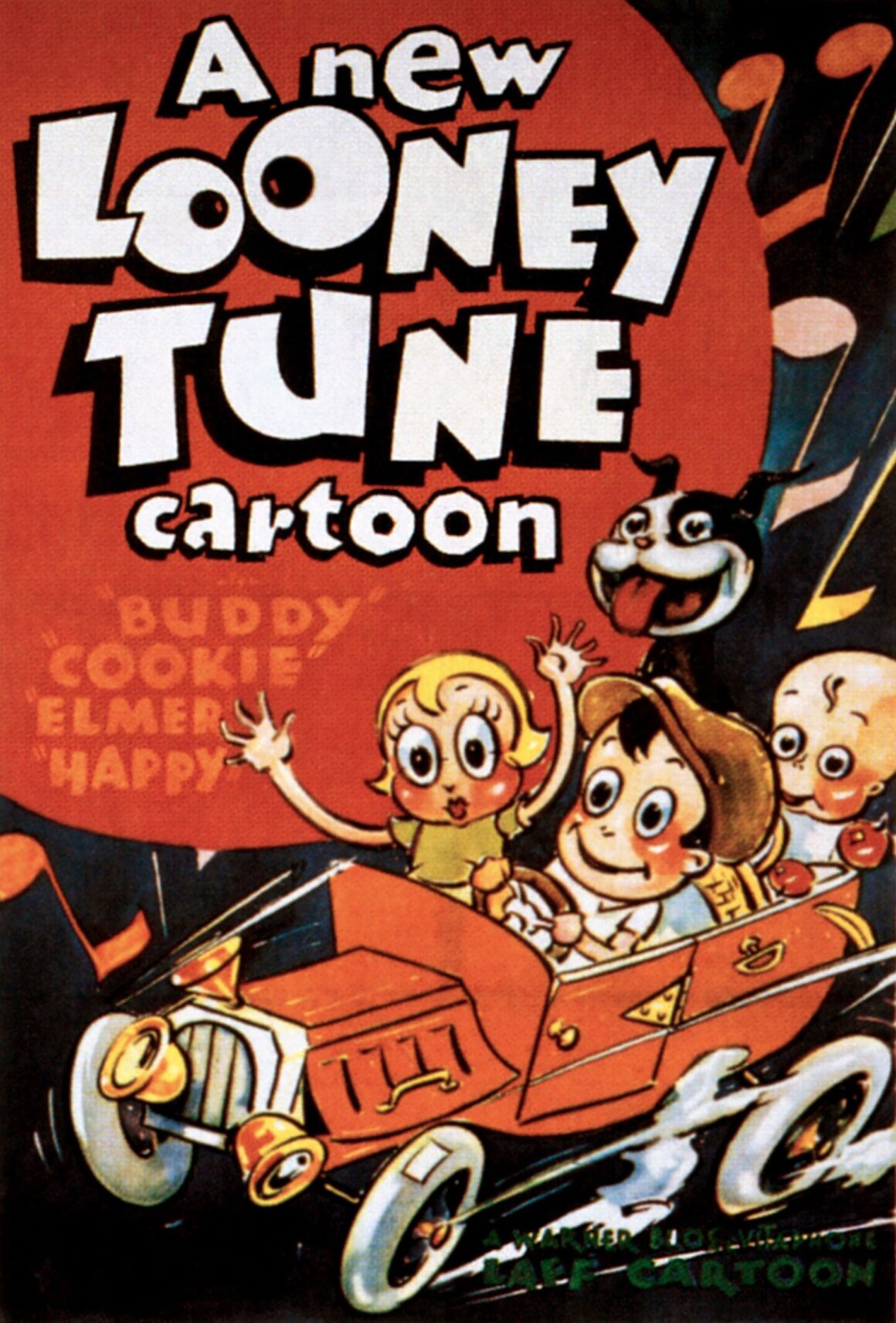
By the 1930s, Warner Bros. was cranking out about 100 movies a year and owning hundreds of theaters. It launched Looney Tunes to compete with Disney, leaned hard into gangster movies, and accidentally became the studio of fast talking criminals and moral ambiguity. A brand was born.
The 1940s gave us “Casablanca,” which remains proof that studio executives sometimes get it right by accident. The 1950s and 60s piled on prestige with films like “A Streetcar Named Desire,” “Rebel Without a Cause,” and “My Fair Lady.” Warner also quietly moved into television, laying groundwork for what would eventually become a cable empire.
Then things got weird, as they always do.
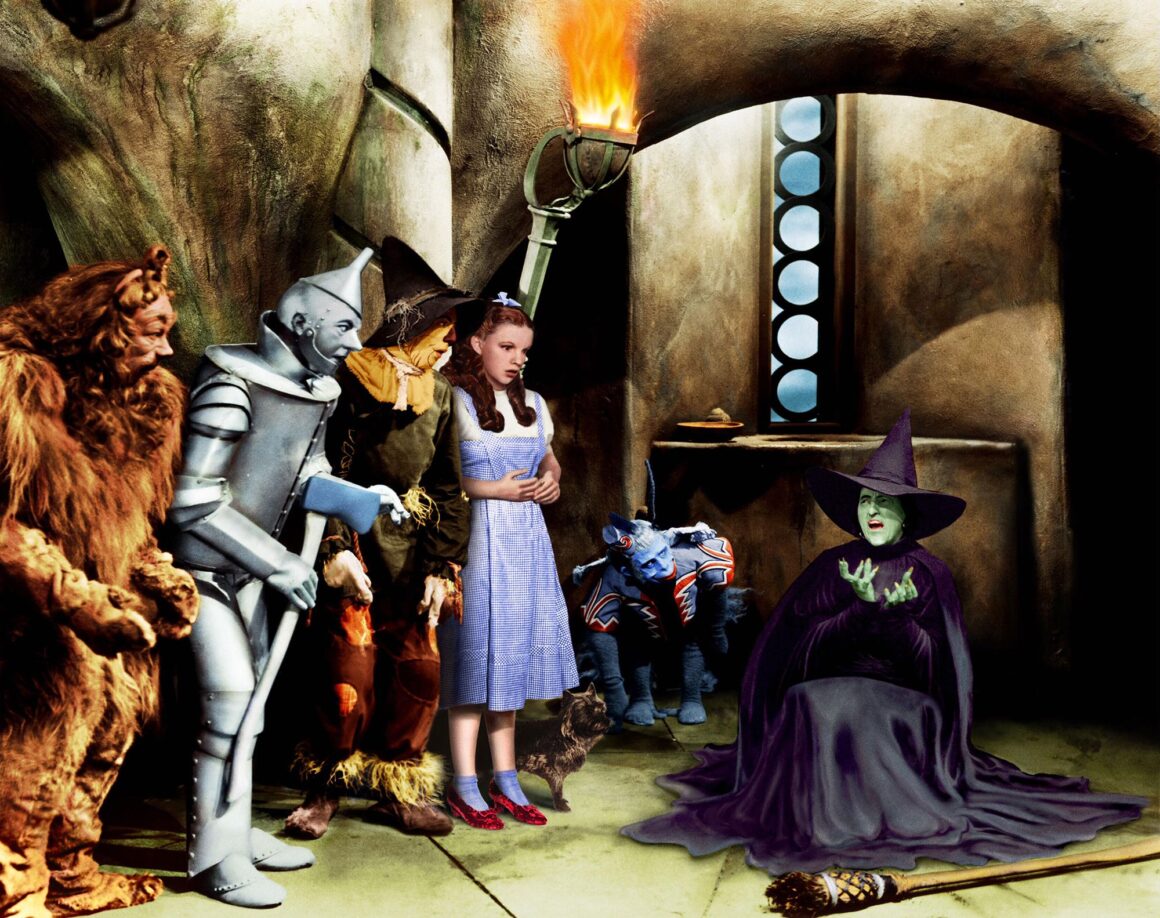
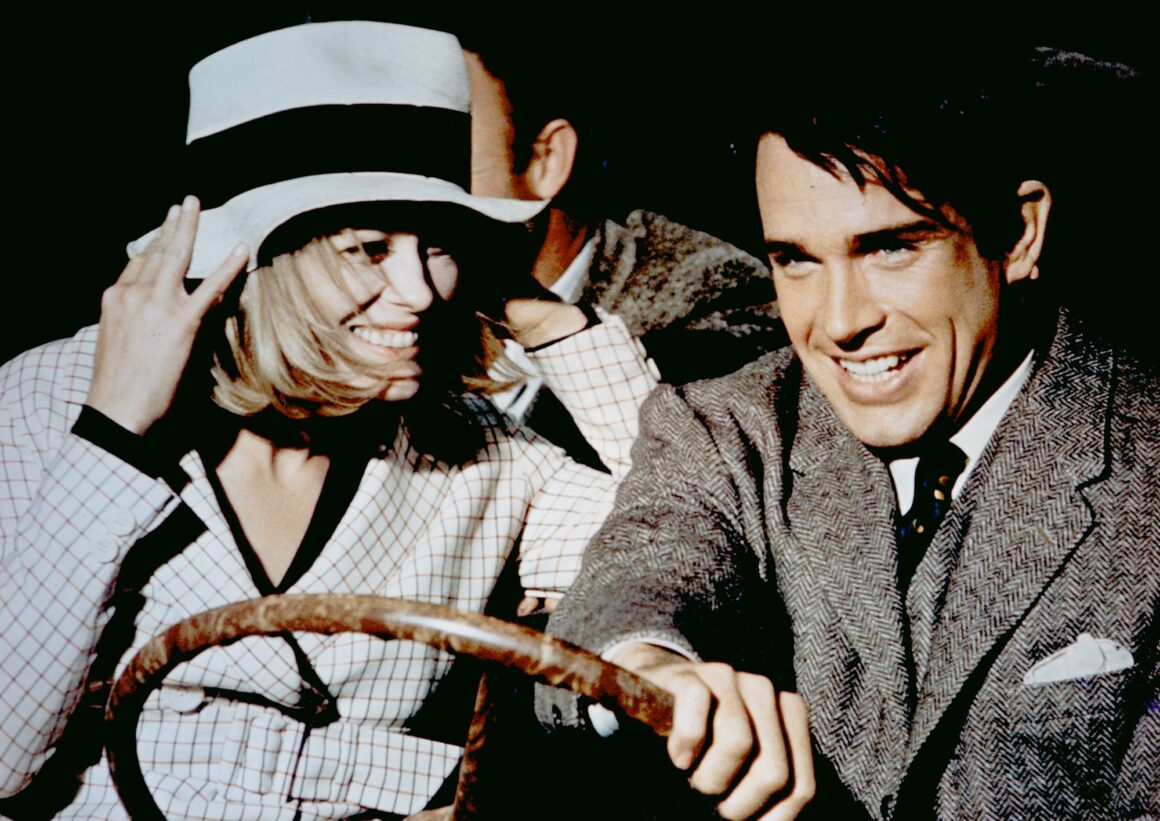
In the late 60s and 70s, Warner shifted into darker territory. “Bonnie and Clyde.” “The Exorcist.” “Dirty Harry.” This was the era where the studio said, “What if movies made people uncomfortable on purpose?” It worked.
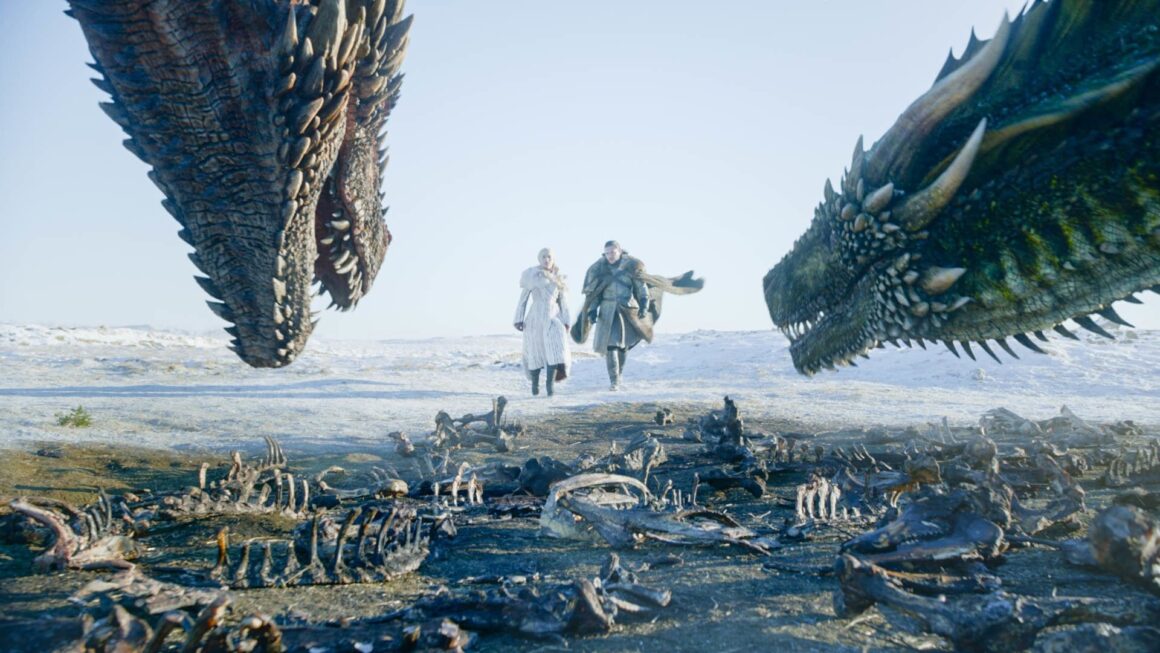
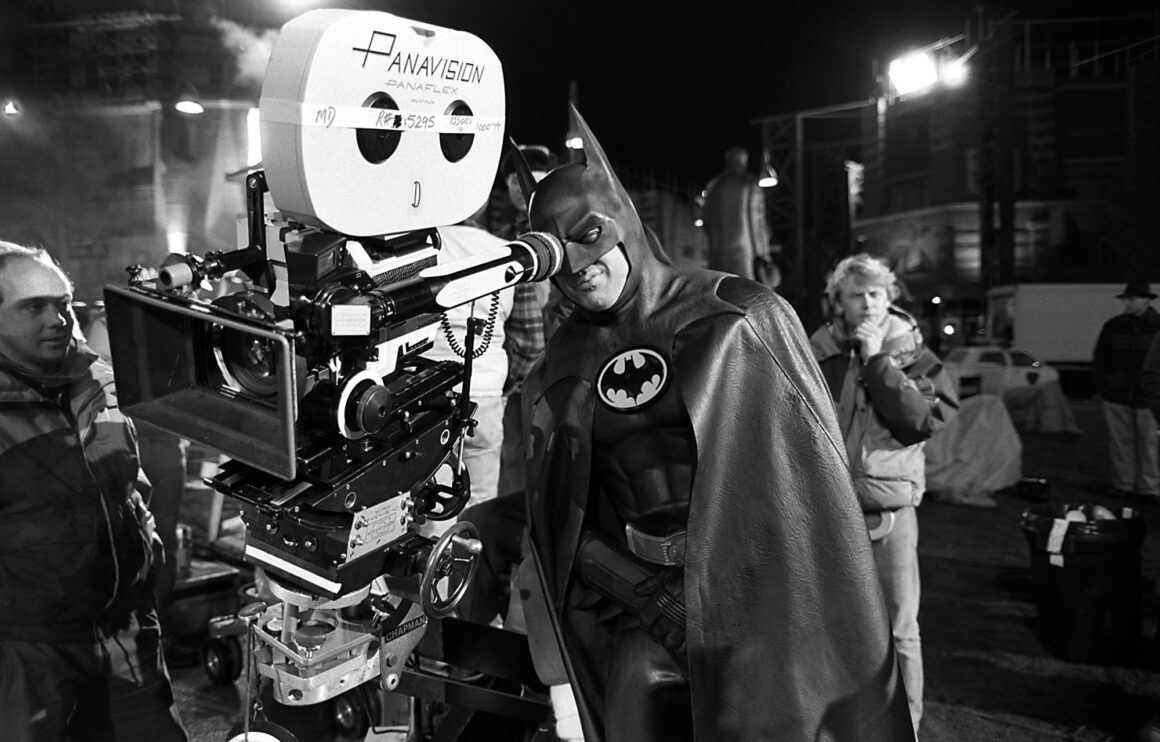
Ownership changed hands multiple times, because nothing says Hollywood like constant corporate reshuffling. By the late 70s and 80s, Warner owned DC Comics and leaned into superheroes long before that was the obvious move. “Superman” arrived in 1978. “Batman” followed in 1989. The DC Universe has since been rebooted so many times it basically runs on vibes.
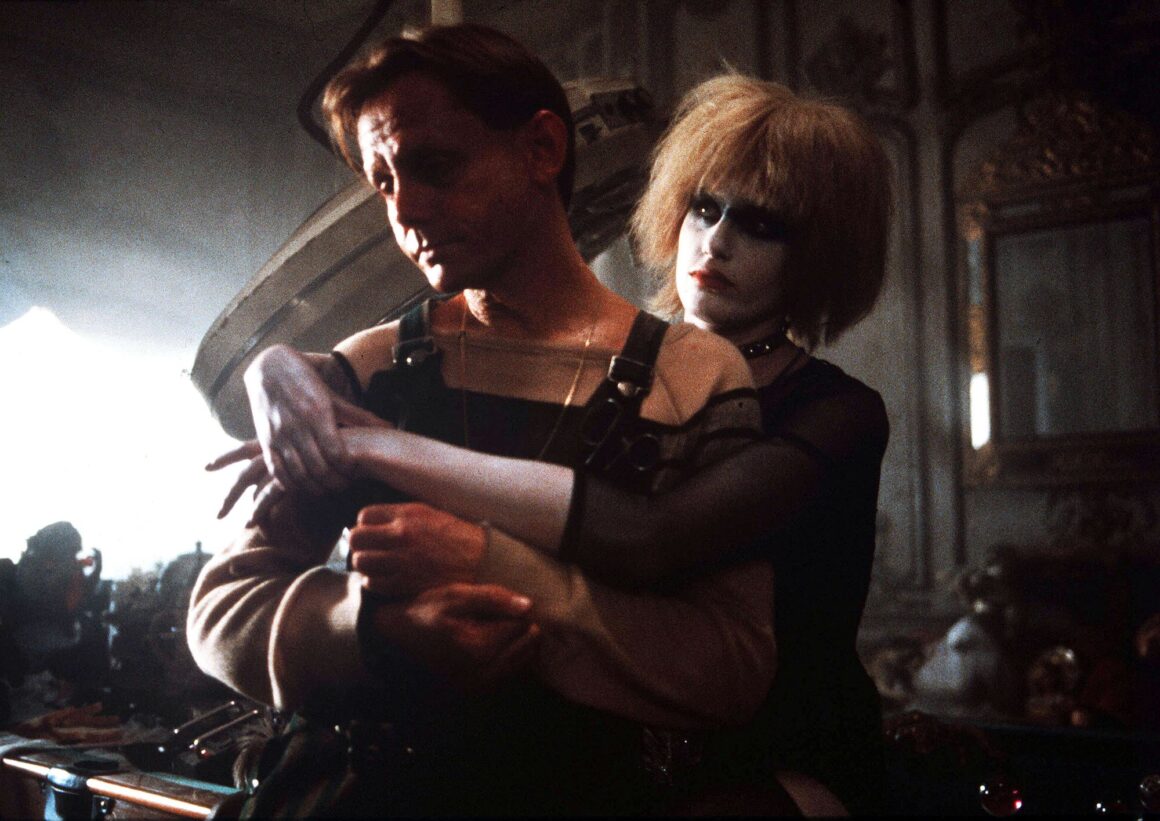
The 80s also gave us “The Shining,” “National Lampoon’s Vacation,” “The Lost Boys,” and enough genre whiplash to power a small city. Warner Bros. did not believe in having a lane. It believed in having all the lanes.
Then came the mergers. First with Time Inc. in 1989, forming Time Warner. Suddenly Warner was not just movies, but HBO, CNN, TBS, TNT, Cartoon Network, and Turner Classic Movies. This was peak media consolidation, before anyone pretended to worry about that sort of thing.
In 2000, America Online bought Time Warner in what remains one of the most infamous corporate miscalculations in US history. It was a $350 billion lesson in hubris. The less said about it, the better.
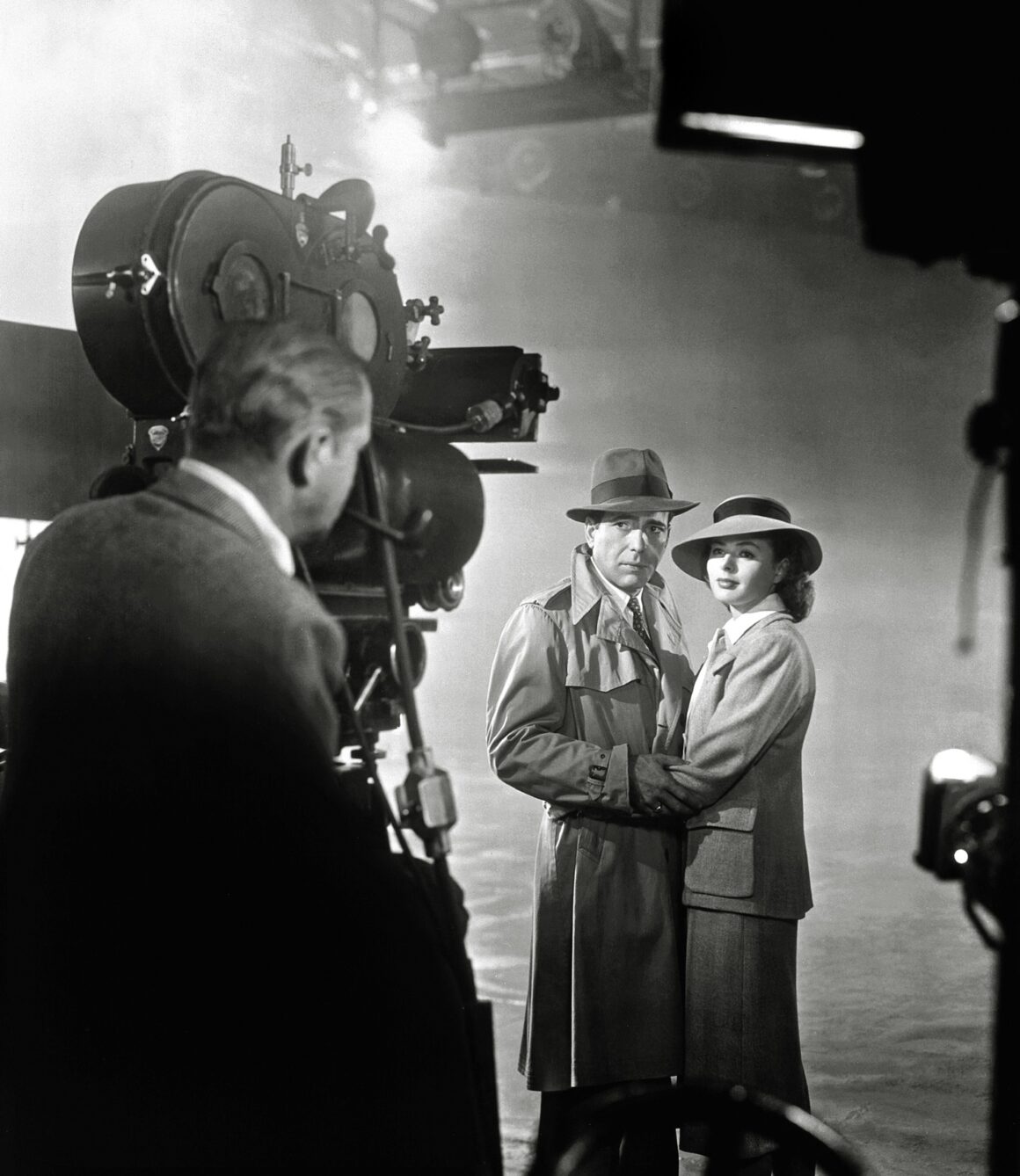
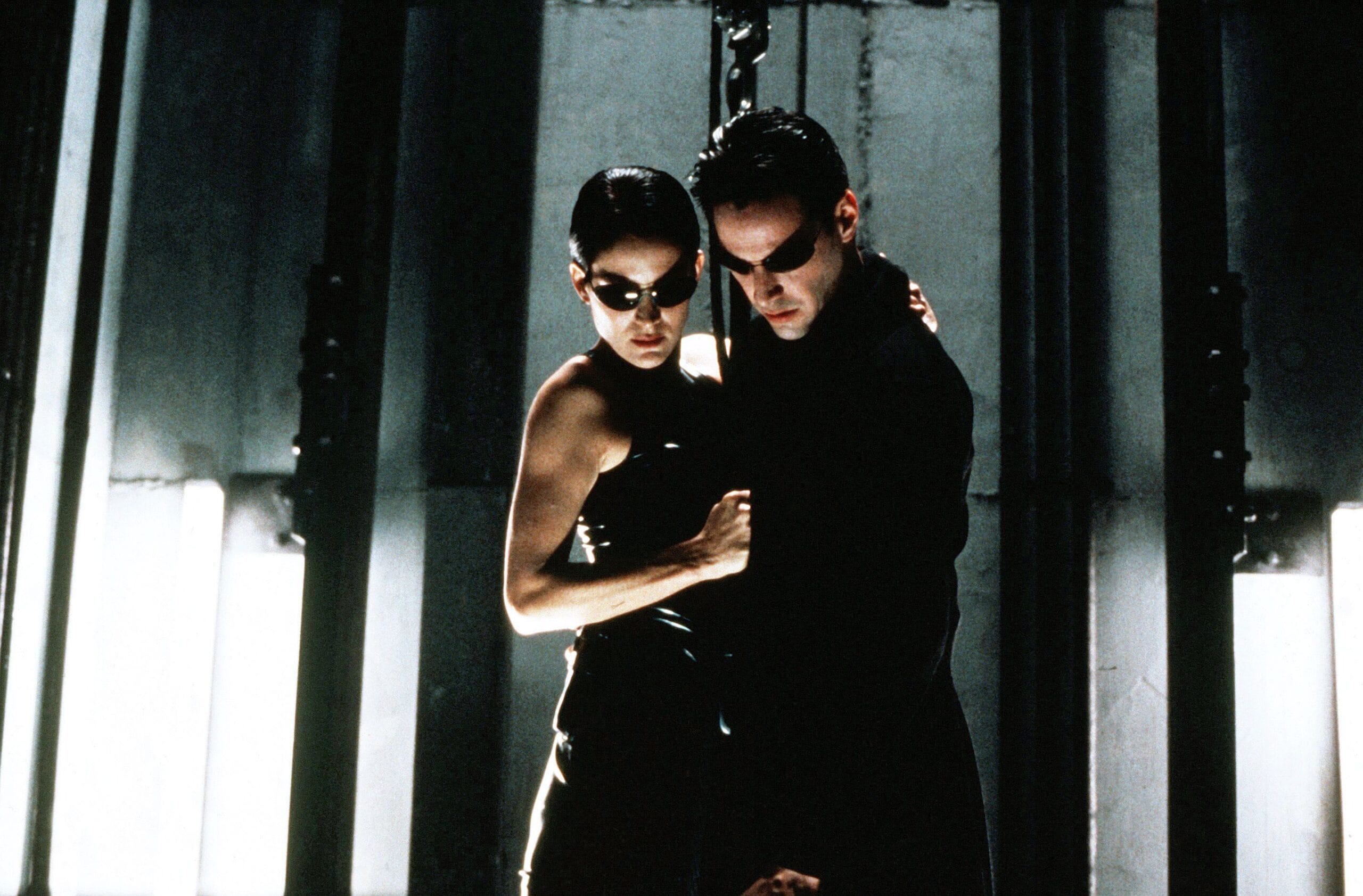
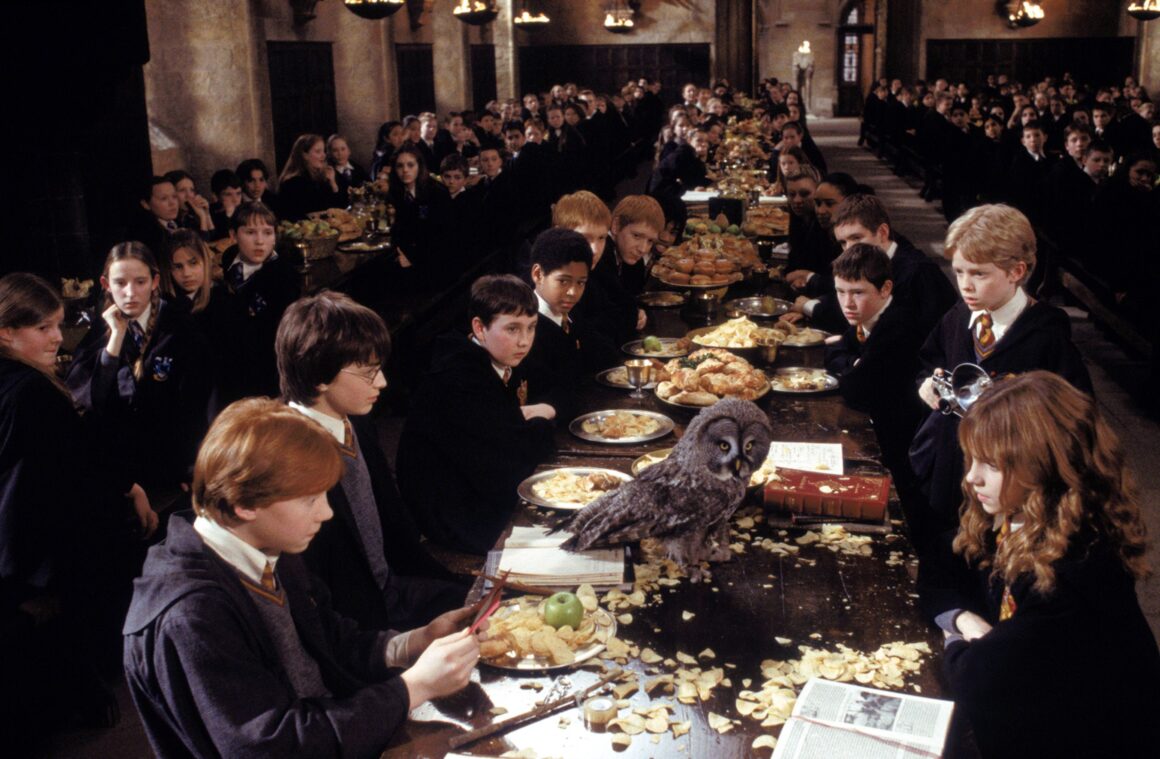
Meanwhile, Warner Bros. kept doing what it does best. “The Matrix.” “Harry Potter.” Eight movies, billions of dollars, and a generation of kids convinced they might get an owl someday.
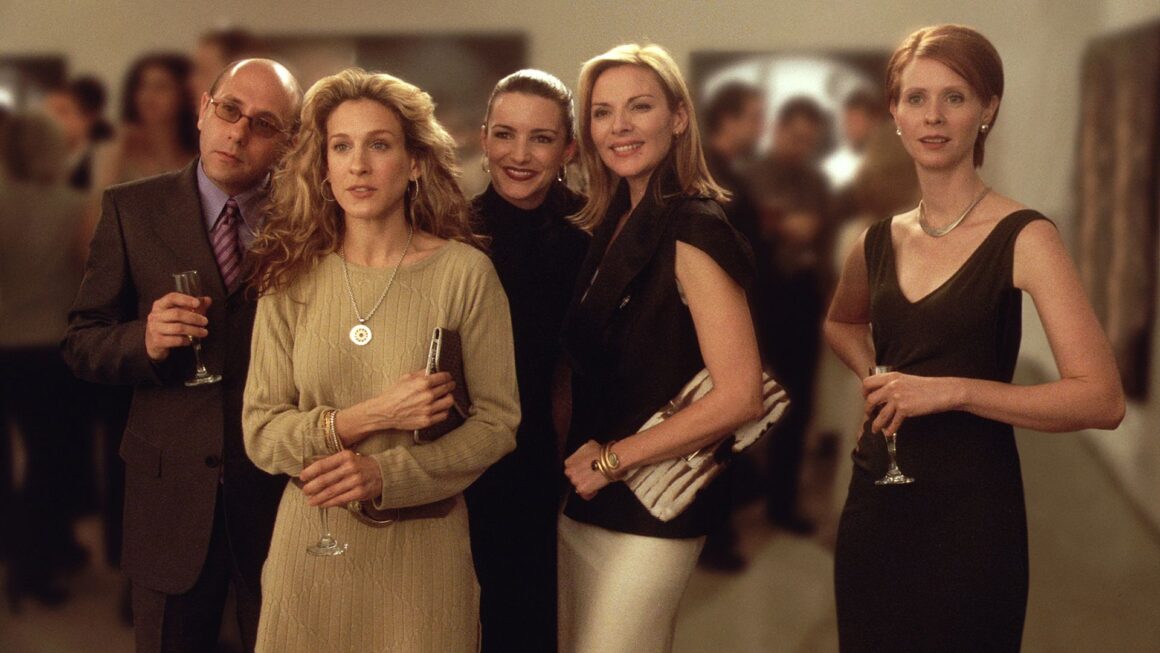
HBO quietly became the crown jewel. “The Sopranos.” “Sex and the City.” “Game of Thrones.” “Succession.” For years, HBO was the place where prestige TV went to be born and occasionally traumatize viewers.
And then there was Netflix.
Netflix started as a DVD rental company in 1997, pivoted to streaming in 2007, and by the 2010s was rewriting the rules of television. Originals. Binge releases. Algorithms deciding what you watch next and whether it should auto play at 2 a.m.
Now Netflix owns the studio that once defined Hollywood’s past, plus HBO, the network that defined modern television. It also gets Warner’s enormous film library and recent hits like “A Minecraft Movie,” because nothing says legacy cinema like pixelated IP.
This deal is not just about content. It’s about control. Netflix is no longer just a distributor or a platform. It’s becoming a vertically integrated entertainment empire with history baked in.
What Netflix is buying is not just Warner Bros. It’s legitimacy. It’s nostalgia. It’s a hundred years of stories that shaped movies, television, and pop culture.
Whether it can manage all of that without turning everything into algorithm friendly beige remains to be seen.
But one thing is clear. Hollywood’s past just moved into Silicon Valley’s living room. And nothing about the future will be quiet.


