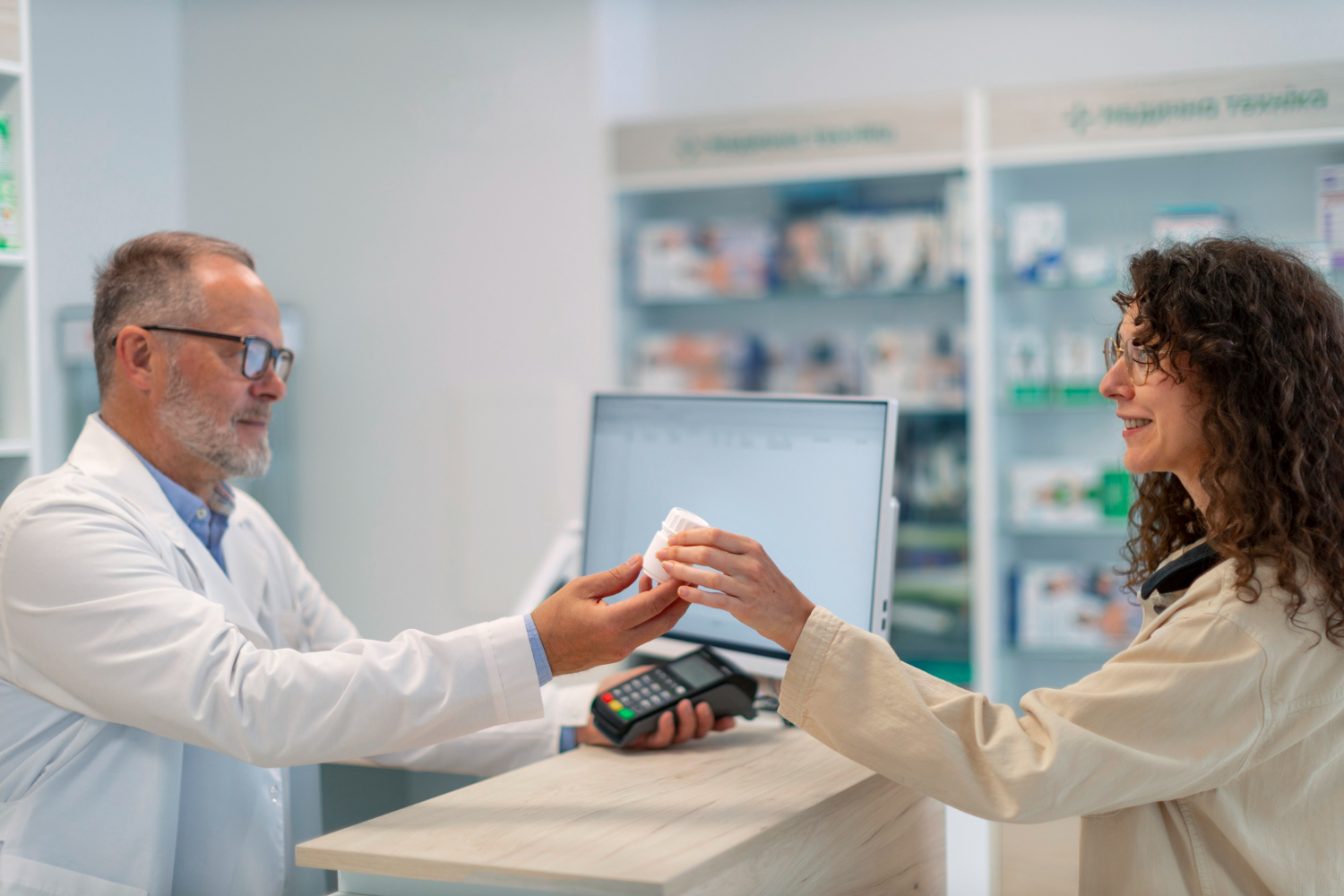
In a development that will shock absolutely no one who has ever tried to fill a prescription in the United States, Novo Nordisk has announced that it is lowering prices on its wildly popular weight loss and diabetes drugs for people who pay cash. As in, no insurance. No paperwork. Just vibes, a credit card, and the quiet understanding that the health care system has decided this is normal.
The move comes as Novo faces rising competition in the GLP 1 gold rush and mounting pressure from President Donald Trump, who has made prescription drug pricing a frequent punching bag. Apparently, nothing motivates Big Pharma quite like political heat and the realization that customers are wandering off to cheaper alternatives.
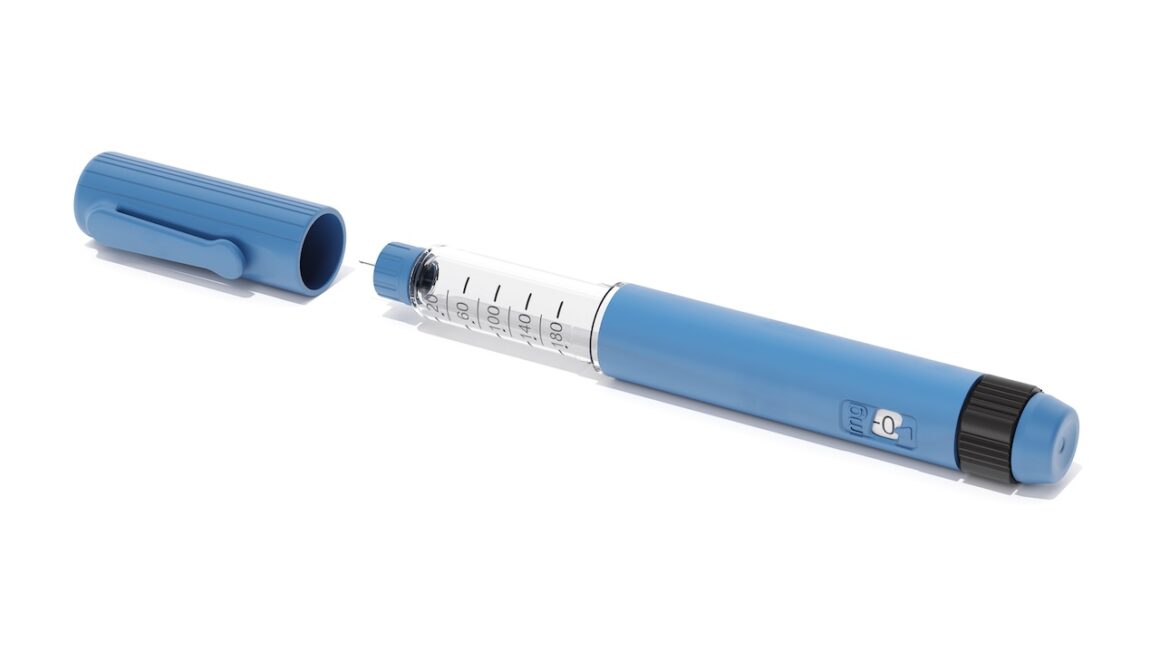
Novo is now offering the first two monthly doses of Wegovy and Ozempic for $199. That deal expires at the end of March, because of course it does. After that, self paying customers can still get the drugs for $349 a month, down from $499. The only exception is the higher dose of Ozempic, which remains a cool $499, presumably because miracles still cost extra.
To be clear, this is not charity. This is strategy.
Drugmakers have recently discovered a radical concept: some Americans are willing to skip insurance entirely if it means paying less and not spending six weeks fighting with a prior authorization department. Novo’s discounts apply only if you buy directly through its channels or approved partners like Costco, GoodRx, Weight Watchers, and tens of thousands of retail pharmacies. Translation: we will make it cheaper, but only if you do it exactly our way.
There is also another not so subtle motivation here. Compounding pharmacies. These are the places offering cheaper versions of GLP 1 drugs that look suspiciously similar to Ozempic and Wegovy, cost less, and are eating into Novo’s sales. Novo would very much like you to stop doing that.
The timing is also notable. Novo Nordisk and its main rival Eli Lilly recently struck a major deal with the Trump administration that expands access to Medicare and Medicaid in exchange for lower prices. Under that agreement, people buying injectable GLP 1 drugs directly from the companies will pay around $350 a month at first, with promises to bring that down closer to $250 over the next two years.
If oral GLP 1 pills get FDA approval, the lowest dose will cost $149, which in American health care terms is basically a clearance sale.
All of this will be available through TrumpRx, the administration’s direct to consumer platform launching in early 2026. Yes, that is a real thing. No, we do not yet know what the interface looks like. Everyone is bracing themselves.
For context, list prices for GLP 1 drugs hover between $1,000 and $1,350 a month. People with insurance coverage usually pay far less, assuming their plan covers it, their employer allows it, and Mercury is not in retrograde.
Novo is betting heavily on the cash paying market, which already makes up about 10 percent of Wegovy prescriptions in the US. Company executives say there is strong interest from people living with obesity who are tired of fighting insurers.
That interest is not theoretical. Roughly one in eight adults now says they use a GLP 1 drug like Ozempic or Wegovy, according to a recent health tracking poll. Among people who have ever taken these drugs, cost is one of the top reasons they stop. Even among those with insurance, about a quarter say they paid the full price themselves.
Insurers generally cover Ozempic for diabetes. Wegovy for weight loss is another story. Coverage is inconsistent, often denied, and heavily influenced by the drug’s $1,349 list price. Novo’s price cuts are clearly aimed at closing that gap before customers drift elsewhere.
Analysts say the move also reflects pressure from Eli Lilly, whose weight loss drug Zepbound has been aggressively priced for self pay patients. Novo’s new starter prices are closer to what compounding pharmacies offer and significantly lower than Lilly’s standard cash pricing for higher doses.
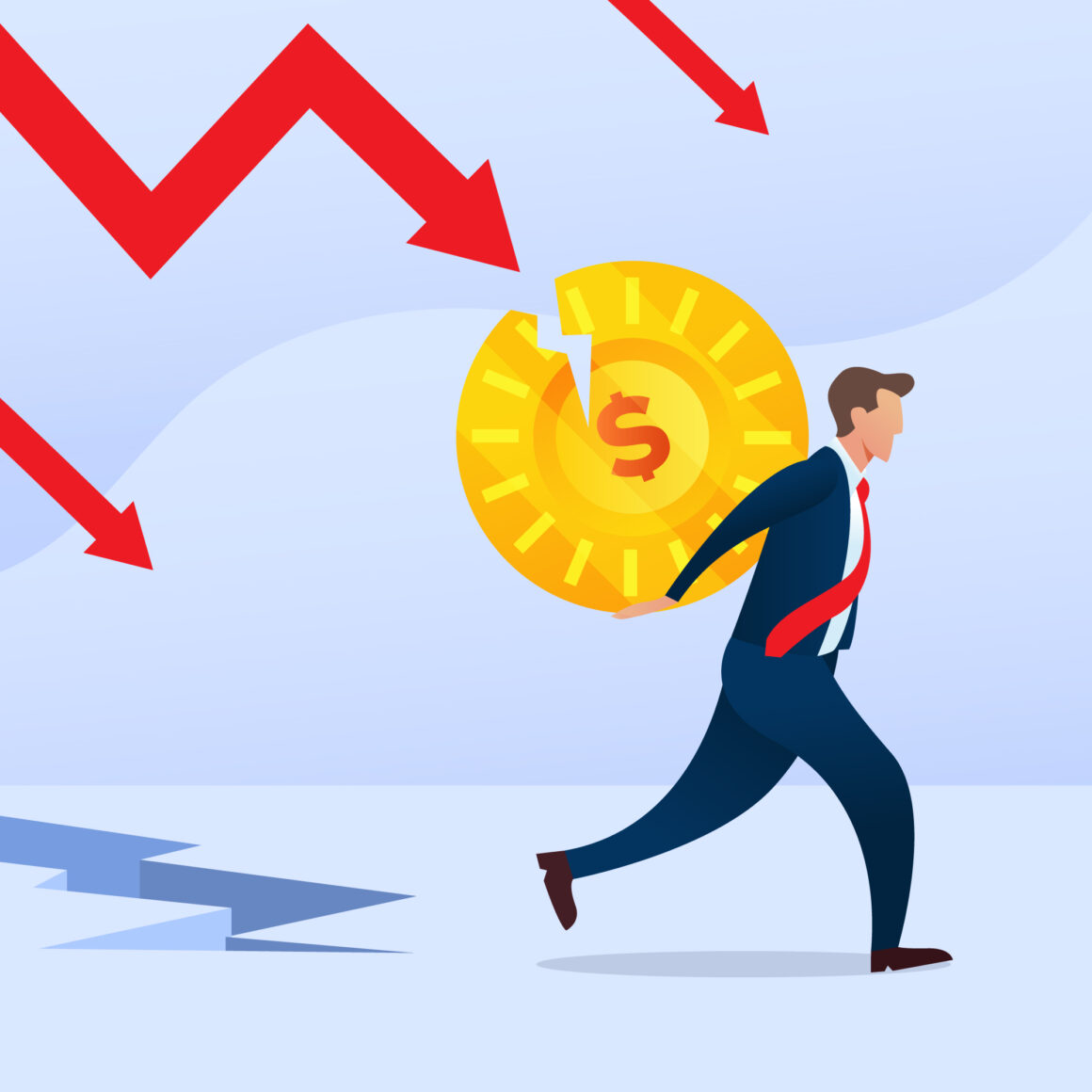
In plain terms, this is a pricing war, and consumers are the battleground.
Novo launched its own direct to consumer pharmacy earlier this year and already cut Ozempic’s cash price in half last summer. Eli Lilly has done the same with Zepbound. Everyone is suddenly very concerned about affordability, now that competition exists.
So yes, prices are coming down. That’s good news. But let’s not pretend this is a revolution. It is capitalism responding to pressure, politics, and the realization that Americans will absolutely shop around when a medication costs more than their rent.
Pay cash, lose weight, skip the insurance maze. It turns out that was always an option. We just had to wait for the drug companies to decide it made sense.


